


Rookit
Rooki (rokoo rokh = "ruokosavu") oli huilumainen väline, jolla poltettiin yrttejä, tupakkaa ja muita aineita. Rookeja käytettiin myös erilaisten lääkkeiden ja huumaavien rohtojen annosteluun. Ruokotupakan polttamisen perinne sai alkunsa Ikharoniassa. Yksinkertaisuutensa ja edullisuutensa ansiosta rooki syrjäytti monin paikoin perinteisen piipun.
Rookeja tunnettiin yleisesti kolmea päätyyppiä: kertapolttoiset rokooruokorookit, halvat ja monikäyttöiset puurookit sekä hienoista materiaaleista valmistetut arvokkaat jalorookit. Näistä puurookit olivat yleisimpiä etenkin rahvaan keskuudessa.
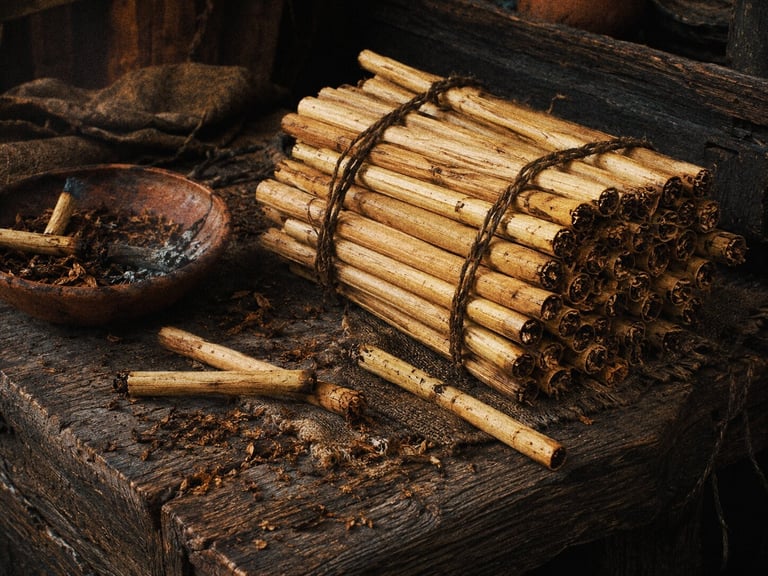
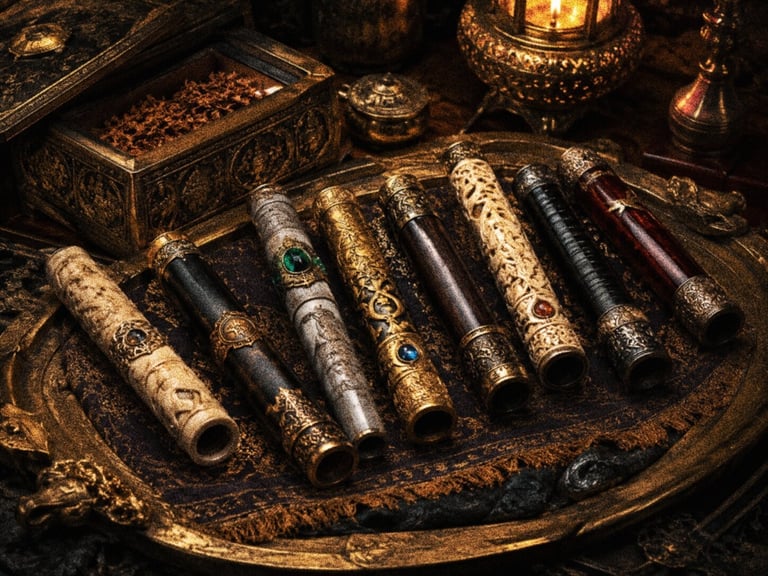
Kertapolttoinen rooki oli sormenmittainen pätkä nuolirokoona tunnettua ruokoa, jonka ontto sisus täytettiin poltettavalla aineella. Ne olivat hyvin halpoja, ja ne kaupattiin nipuittain. Kuori haurastui kuumuudessa, joten käytetty rooki viskattiin pois polttamisen jälkeen. Pahimmat köyhäilijät saattoivat silti käyttää samaa ruokoa vielä kerran tai pari.
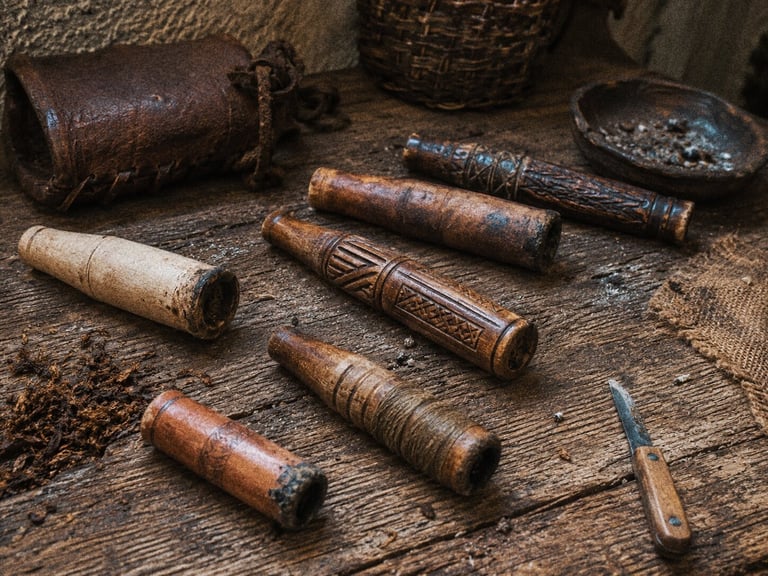
Tavalliset rookit veistettiin puusta tai muotoiltiin savesta. Ne olivat yksinkertaisia ja edullisia, ja hyvin hoidettuina kestivät vuosia. Pidemmän päälle ne tulivat ruokotupakkaa halvemmiksi, minkä vuoksi tällaiset rookit olivat tavan rahvaan suosiossa.
Jalorookit olivat puolestaan statusesineitä, eikä niiden prameudelle juuri ollut ylärajaa. Arvokkaimmat valmistettiin luusta, vuolukivestä, laavalasista, kirkkaasta ikhalialaisesta lasista, pronssista, jopa hopeasta ja kullasta tai muista kalliista materiaaleista. Niihin voitiin kaivertaa koristekuvioita, niitä saatettiin kullata tai koristella jalokivin, päällystää nahalla taikka sovittaa taidokkaasti valmistettuihin metalli- ja lasikehyksiin.
Varvasruoho
Varvasruoho oli mojaviinikasvista kerättävä yrtti. Nimensä se sai leveiden, liuskaisten lehtiensä erikoisesta muodosta, jonka katsottiin muistuttavan jalkapohjaa harottavine varpaineen. Kasvin pihkaiset kukat olivat keltaisia.
Kasvi oli kotoisin eteläiseltä mantereelta, missä se kasvoi erityisen reheväksi, korkeaksi ja voimakkaaksi. Pienempiä lajeja oli levinnyt kaikkialle Jooninmaahan, ja kylmään sopeutuneita muotoja tavattiin aina Pohjolassa saakka.
Varvasruoholla oli imelä ja sitkeä löyhkä, joka tarttui herkästi kaikkeen ympärillä olevaan. Kuivattuja kukintoja tavallisesti poltettiin, joskin joillakin seuduilla lehtiä myös haudutettiin juomaksi, pureskeltiin tai kuumennettiin suitsukkeen tapaan.
Varvasruohoa käytettiin tyynnyttämään kiukkua, pelkoa ja levottomia ajatuksia. Se saattoi lievittää kipua, turruttaa surua, parantaa ruokahalua sekä tuoda unen haavoista tai huolista kärsiville. Näistä syistä sitä käytettiin kansan keskuudessa varsin yleisesti.
Alituiseen varvasruohoa polttavat kävivät kuitenkin usein hajamielisiksi ja harkinnaltaan hitaiksi, hämmentyivät helposti ja saattoivat toisinaan muuttua omituisen levottomiksi. Jotkut kärsivät harhailevista ajatuksista, epäluuloisuuden puuskista tai raivonkohtauksista, joita tavallinen kansa nimitti varvasruohokuumeeksi.
Metuska
Metuskajuuri oli samannimisestä erämaakasvista saatava rohto, jota pureskeltiin raakana. Se lisäsi vireyttä, vähensi unen ja ravinnon tarvetta sekä paransi jaksamista ja keskittymiskykyä.
Pitkäaikainen käyttö saattoi kuitenkin aiheuttaa voimakasta levottomuutta, ahdistuneisuutta ja vapinaa.
Minatsi (huumaava aine)
Minatsikasvi oli kotoisin eteläiseltä mantereelta, mistä se levisi myös Hopeamaan alamaille. Sen lehdet sisälsivät vaikuttavaa ainetta, jota niin ikään kutsuttiin minatsiksi eli ”marmoriksi”, sillä erottelulla saatu valkea uute sai kuivuessaan marmoria muistuttavan pinnan ja rakenteen.
Minatsi aiheutti voimakasta hyvänolontunnetta, kohotti mielialaa ja vireyttä sekä lievitti jossain määrin kipua.
Untomaanunikko
Untomaanunikkouute tai untomangi valmistettiin Untomaanunikosta. Se oli erittäin tehokas kipurohto ja unettava lääke.
Nirva
Nirvajuuriuute oli voimakkaasti unettava rohto, joka saattoi johtaa nopeasti tajunnan menetykseen.
Sitä käytettiin lääkkeenä esimerkiksi kivuliaiden leikkausten ja muiden hoitotoimenpiteiden yhteydessä, mutta toisinaan myös aseena. Tehokkaan ja tappavan annoksen välinen ero oli pieni, minkä vuoksi nirvan käyttö uskottiin tavallisesti vain kaikkein kokeneimpien kirurgien käsiin.
Katkerokukka
Katkerokukkauute oli pistävänhajuinen tinktuura, joka laukaisi elimistössä tahdosta riippumattoman säikähdys- ja sokkireaktion.
Sitä käytettiin uneliaiden ihmisten herättämiseen ja virkistämiseen sekä lyhytvaikutteisena lamaannuttavana aseena.
Hämylakit
Hämylakki oli voimakkaasti aistiharhoja aiheuttava sieni.
Halvar
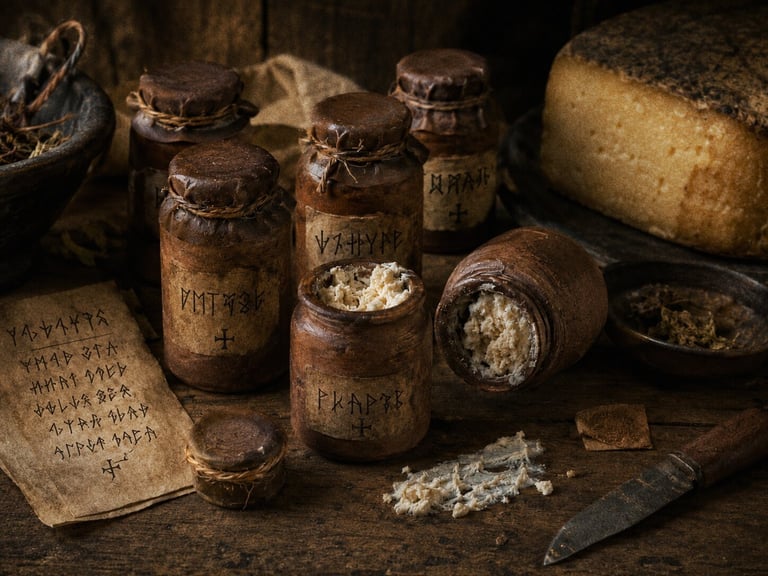
Halvar oli vaskitien käyttämä aine, jota saatiin juustonvalmistuksessa hyödynnetystä homeesta. Sitä käytettiin tehokkaana lääkkeenä tulehdusten ja infektioiden hoitoon.
Ektohongin alkuesanssi
Ektohongin esanssi valmistettiin Milleniumpuun sydänpuusta, tarkemmin sen kivettyneestä ytimestä jauhetuista kappaleista.
Se oli voimakas hallusinogeeninen rohto, joka hämärsi ihmisen kyvyn erottaa ajatuksensa ääneen lausutuista sanoista. Tästä syystä sitä kutsuttiin usein totuusseerumiksi.
Trenkku
"Berserkkihuume"
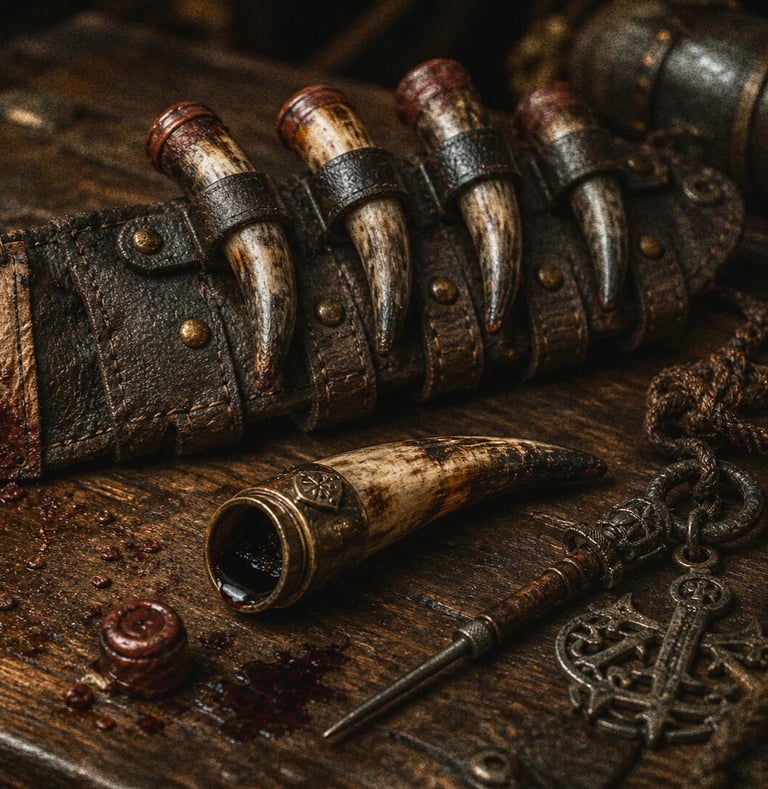
Trenkku oli rautapässeistä niiden kiima-aikana saatavaa ainetta. Nautittuna se kohotti nopeasti vireystilaa ja verenpainetta sekä kiihdytti lihasten toimintaa, samalla kun pelontunne heikkeni voimakkaasti. Rautaimperiumin merenkävijät käyttivät sitä eräänlaisena berserkkihuumeena.
Päivittäin nautittuna trenkku kiihdytti lihasten kasvua valtavasti. Sen käyttäjistä saattoi tulla huomattavan lihaksikkaita ja voimakkaita, mutta samalla uhkarohkeita, äkkipikaisia ja ennen kaikkea arvaamattoman väkivaltaisia.
Pitkäaikainen käyttö johti usein ennenaikaiseen ja äkilliseen kuolemaan sydämen pettäessä.
Trenkkua nautittiin suun kautta rautasian neuloista, jotka suljettiin vahakorkilla. Tällaisia annossarvia kutsuttiin piikeiksi.
Jalli
Jalliruohoa käyttivät Rautaimperiumin merenkävijät merisairauden torjumiseen. Se tehosi myös krapulaan.
Saliittorijuuri
Hopealehti eli saliittorijuuri oli mieto kipurohto. Sitä sekoitettiin usein teehen tai muihin juomiin.
Hopeaminttu
Hopeaminttu oli voimakkaan ja raikkaan tuoksuinen yrtti. Sitä käytettiin ruokiin ja makeisiin sekä hengityksen raikastamiseen.
Kausukkiöljy
Kausukkiöljy eli styyri oli myrkyllistä, tummaa, vahvanhajuista öljyä, jota saatiin Pohjolan suorosmariinin eli kausukkipursun juurista. Se oli Pohjolassa tavallinen kauppatavara.
Sitä käytettiin puutavaran käsittelyyn, polttoaineena, kynttilöiden valmistukseen, täiden ja muiden tuholaisten torjuntaan, laivojen tiivistämiseen tervan asemesta sekä elintarvikkeiden säilöntään. Kuumennettuna ja hengitettynä sitä käytettiin myös huumaavana rohtona.
Öljyllä käsitelty puu muuttui harmaaksi ja lähes immuuniksi tuholaisille. Samalla sen syttymisherkkyys väheni.
Juurten kaivaminen soilta oli raskasta ja kurjaa työtä, joka jätettiin orjien ja muiden kurjien tehtäväksi. Öljy erotettiin juurista keittämällä, jolloin se nousi pinnalle tummana, paksuna kerroksena.
Kun puhdistettua öljyä kuumennettiin yön yli, se sakeutui vahamaiseksi aineeksi. Jos sitä kuumennettiin niin voimakkaasti, että se alkoi hajota, siitä nousi kitkerää, mustaa ja myrkyllistä savua, jota jotkut hengittivät sen päihdyttävän vaikutuksen vuoksi.
Kausukkiöljyllä oli terävä, ummehtunut haju, joka tunnettiin nimellä pohjankatku. Tuoksu oli niin voimakas ja tunnistettava, että se toimi hyönteisten karkottamisen lisäksi myös tottumattomien ihmisten karkottamiseen.
Nimen arvellaan olevan peräisin causuckeista, jotka kuuluvat harvoihin tunnettuihin eläimiin, jotka kykenevät käyttämään raakaa öljyä ravintonaan.
Muita öljyjä
Maskoriiniöljyä käytettiin hyönteisten karkottamiseen. Se valmistettiin Ikharoniassa kasvavan maskoriinikukan uutteesta.
Silaaniöljy oli silannapensaan siemenistä puristettava kuivuva öljy. Sitä käytettiin ravintona, maaleissa ja väriaineissa sekä pintojen käsittelyyn.
Öljyllä oli tunnusomainen tuoksu, ja sen käyttö oli Hopeamaassa niin yleistä, että hajua pidettiin suorastaan itäisten joonien ominaispiirteenä.
Silannapensas kasvoi kaikkialla itäisessä Jooninmaassa. Joonien levittäytyessä sitä ryhdyttiin viljelemään kaikkialla ja lopulta myös kaukomailla.
Yksi sen tärkeimmistä käyttötarkoituksista oli telttakankaiden hölvääminen vedenpitäväksi.
Värit ja tuoksut
Jalipuun lehdistä valmistettiin syvän purppuraista väriainetta. Sen jalostaminen vaati tarkkuutta ja taitoa, mutta kun menetelmä hallittiin, väriainetta voitiin valmistaa suuria määriä verrattain halvalla.
Lehdet oli poimittava juuri oikealla hetkellä niiden tummuessa vaaleanvihreistä syvän purppuraisiksi. Liian aikaisin poimituissa lehdissä värivoima jäi heikoksi, kun taas liian myöhään kerätyistä saatiin sameaa ja likaista purppuraa.
Menetelmä kehitettiin jo Hopeamaan imperiumin kultakauden alkupuolella, ja purppurasta tuli yksi joonien vaatetuksen, lippujen ja varusteiden tunnusväreistä.
Jaliaanit omivat suuren osan Sinimeren tuottoisasta väriainekaupasta.
Thilian-kukan tuoksua käytettiin yleisesti hajuvetenä.
Kimairankukan tuoksu oli voimakas, kukkainen ja makea hajuste, joka oli lähtöisin Masoraniasta.
Vuorisuoloilla voitiin värjätä liekkejä eri väreihin. Polttoaineeseen sekoitettuina eri suolat saattoivat tuottaa punaisia, vihreitä, sinisiä ja purppuraisia liekkejä.
Manapensas, Manapakka and Mananssi
Manapensas oli kotoisin Arkaanimaann ja Morakhonin erämaista pohjoisesta Jooninmaasta. Se tuotti suuria siemeniä, joista voitiin erottaa niin kutsuttua manamassaa.
Massa sisälsi luonnollista myrkkyä, mananssia, joka nautittuna aiheutti voimakkaita aistiharhoja ja hyvänolontunnetta.
Kuivattuna ja jauhettuna itse manamassalla oli lisäksi poikkeuksellisen rikas ja moniulotteinen maku. Sekä massaa että mananssia arvostettiin omien ominaisuuksiensa vuoksi. Huolellisella erotusmenetelmällä suurin osa mananssista voitiin poistaa kiintoaineksesta, joka tämän jälkeen jauhettiin manapakka-aromiksi.
Manapakasta valmistettiin sekä kuumia että kylmiä juomia, minkä lisäksi sitä käytettiin makeissa leivonnaisissa.
Rajallisen saatavuutensa vuoksi se oli pitkään harvinaista ja hyvin kallista. Pax Yanakhonin aikana ikharonialaiset onnistuivat kuitenkin viljelemään manapensasta Khardenissa, minkä seurauksena sekä manapakalle että mananssille syntyivät omat markkinansa.
Jankki
Jankkijuuri oli pehmeä mutta sitkeä ja maultaan makea. Sitä jauhettiin ajankuluksi ja hampaiden puhdistamiseksi.